
Ion Beam Sputtering (IBS) Coatings for High-Power Laser Optics
OPTOMAN designs and manufactures IBS coatings and ion beam sputtered laser optics for the world's most demanding laser systems. Our expertise and proven technology make OPTOMAN a leader in Ion Beam Sputtered (IBS) coatings and high power laser optics.
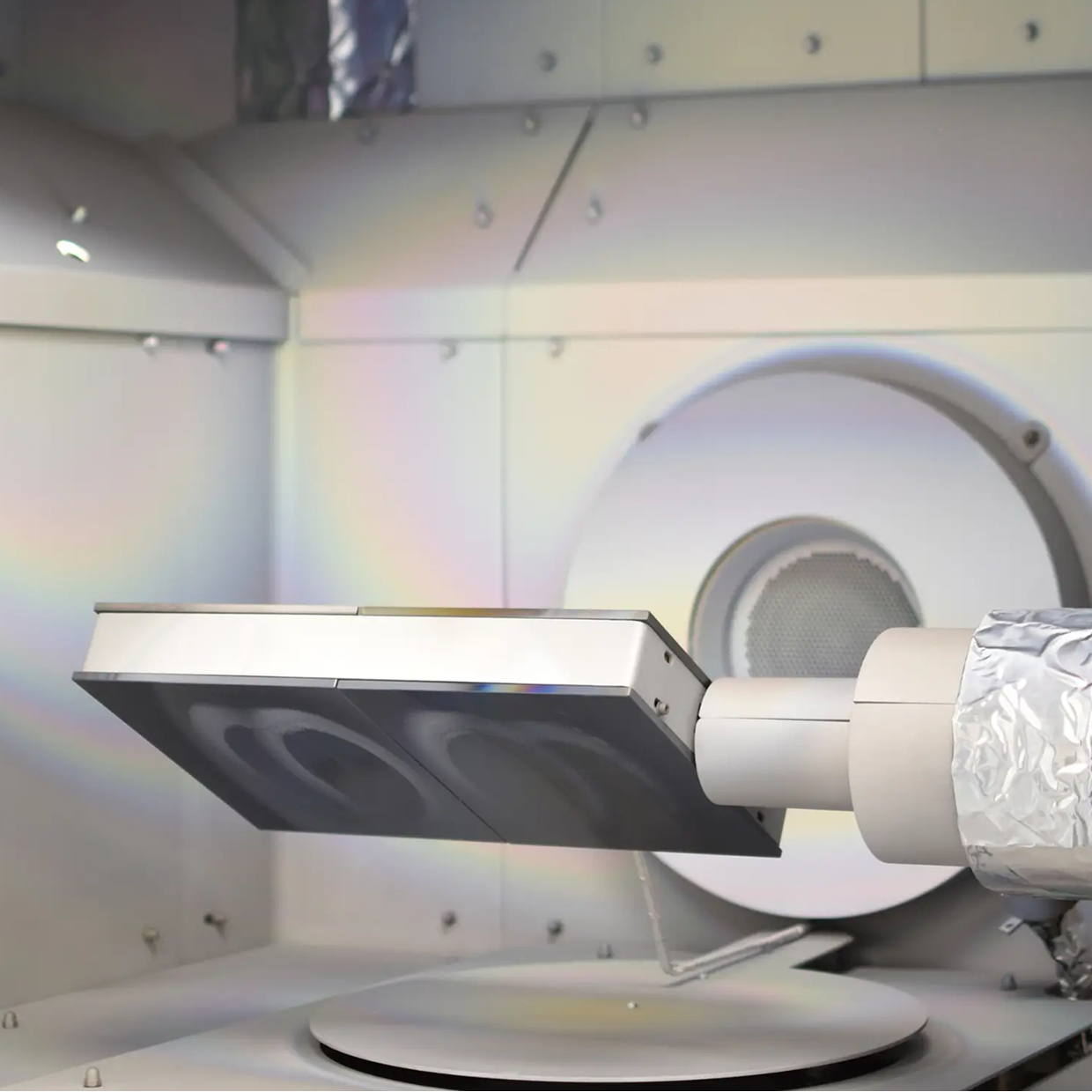
How OPTOMAN Manufactures IBS Coatings
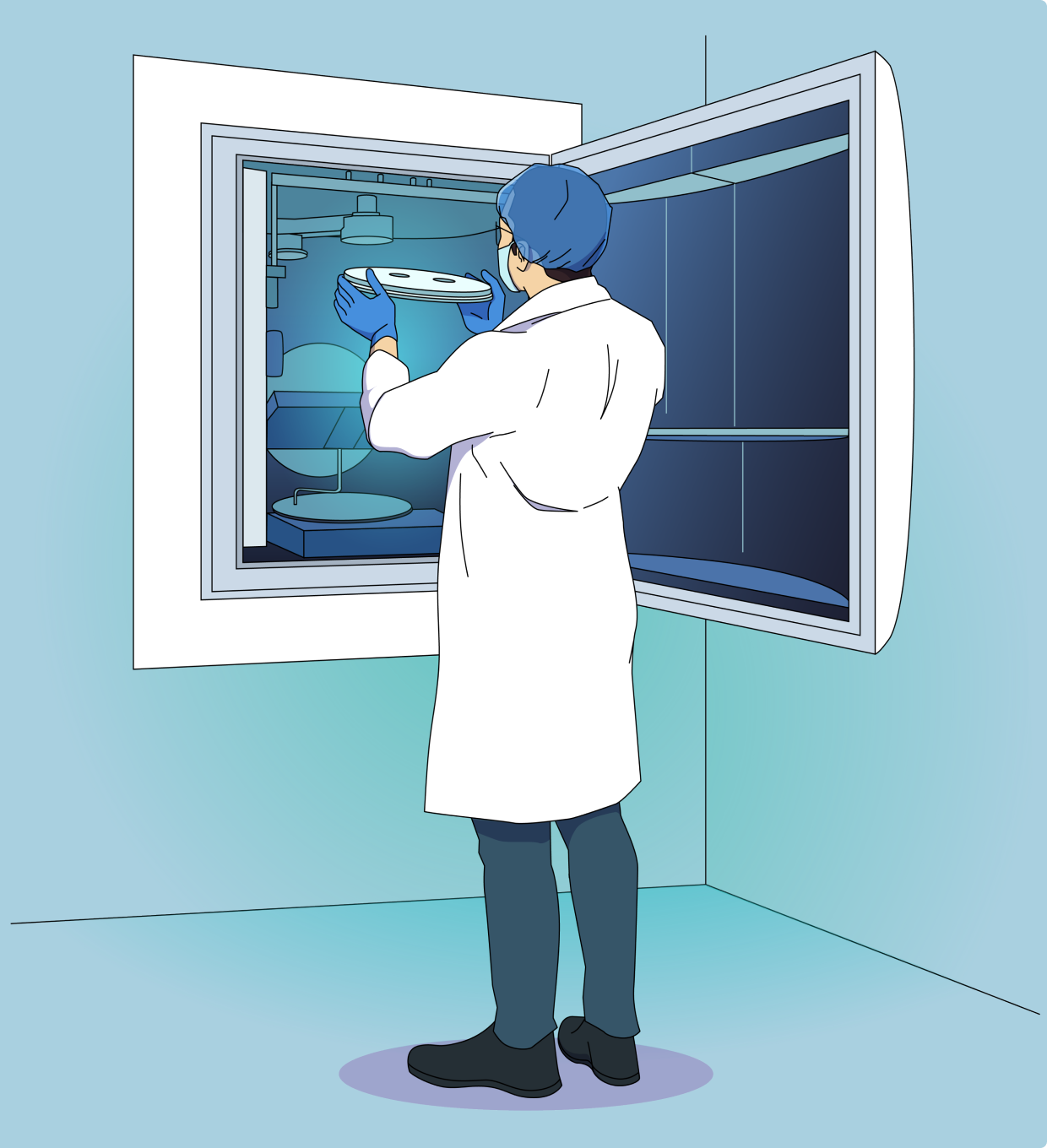
Batch-to-Batch Repeatability of Our IBS-Coated Optics
- Batch to batch repeatability
Consistent coating performance across every production run. - Scaling from R&D > production
Smooth transition from laboratory development to full-scale manufacturing. - From OPTOSHOP > highly customized production
Industry-proven IBS-coated optics that can be highly customized and application-optimized.
Long-Term Partnership

Resources


FAQ
What is Ion Beam Sputtering and how are IBS coatings made?
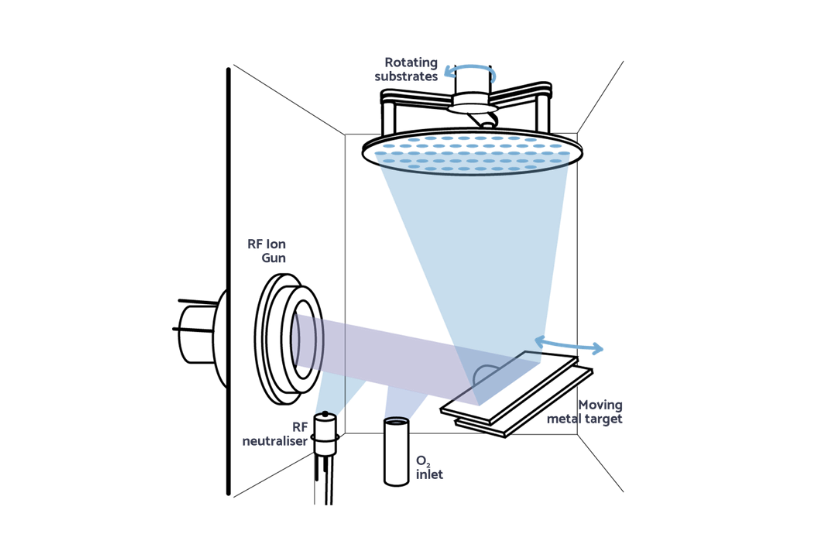
Ion Beam Sputtering (IBS), also known as Ion Beam Deposition (IBD), is a Physical Vapour Deposition (PVD) method where a targeted material is bombarded with a high-energy, precisely directed ion beam, causing molecules to detach and form a thin layer of the material. In short, this technique is fundamental to producing IBS coated laser optics via ion beam sputtering.
Layering materials with carefully controlled thicknesses achieves optical interference coatings. Coatings made using IBS technology consistently meet the highest standards of industry and scientific applications, offering significant advantages for manufacturers of lasers and laser systems. For many, Ion Beam Sputtering (IBS) coated laser optics provide the reliability and performance essential for today’s advanced systems.
- Absorption levels and thermal stability,
- Coating stress and structural integrity,
- Spectral and phase characteristics (critical for ultrafast optics),
- Pulse shape and temporal profile due to fatigue-driven color changes.
What are IBS coated optics and how do they differ from other coatings?
IBS coated optics are optical components manufactured using Ion Beam Sputtering technology. Compared to traditional evaporation coatings, IBS coatings are denser, have lower absorption, and provide superior environmental stability. This results in better performance, especially in high-power and precision laser applications.
IBS vs magnetron sputtering: which coating technology performs better?
IBS and magnetron sputtering are both advanced coating technologies, but they serve different priorities. IBS offers higher density, lower absorption, and better optical performance, while magnetron sputtering typically allows faster deposition and lower production cost. For high-power laser optics, IBS is generally preferred due to its superior durability and reliability.
Why are IBS coatings are recommended for high-power laser optics?
IBS coatings are recommended for high-power laser optics because they produce dense, defect-minimised layers with very low absorption. This significantly improves resistance to laser-induced damage and enables long-term stable performance, even under extreme laser conditions.
Are IBS coatings suitable for space optics applications?
Yes, IBS coatings are highly suitable for UV and space optics applications. Their dense structure provides excellent resistance to environmental factors such as vacuum, temperature fluctuations, and radiation. This makes them a reliable choice for demanding applications, including space systems and UV laser environments.
