
New Frontiers in Quantum Optics
How short can a flash of light be? How faint a molecular signal can we still read? How can we shape light to process our data? These sound abstract, but the answers determine practical outcomes: whether disease evolution can one day be monitored via molecular infrared fingerprints in a clinic, whether quantum networks can store information, and how far we can follow electrons as they move inside atoms.
In July 2026, at the “New Frontiers in Ultrafast Quantum Optics” summer school on Lake Como, we put these questions to three people working on the answers: Prof. Ioachim Pupeza, who wants to turn infrared spectroscopy into a clinical tool; Nicolas Pessoa Alvez, a PhD student at the European Laboratory for Nonlinear Spectroscopy (LENS) in Florence, who shapes the quantum states of single photons; and Prof. Jens Biegert, whose group at ICFO holds the record for the shortest soft X-ray pulse ever produced. Their fields look very different. The problems they described turned out to be surprisingly similar.
1. Can Infrared Light Diagnose Disease?
Every molecule absorbs infrared light at its own set of frequencies, a pattern known as its vibrational signature. Reading these signatures, called molecular fingerprinting [1], is a long-term route toward clinical diagnostics. Dr Ioachim Pupeza wants to read them far better than today’s instruments can, by controlling and measuring light at the level of its individual electric-field oscillations, one field cycle at a time.
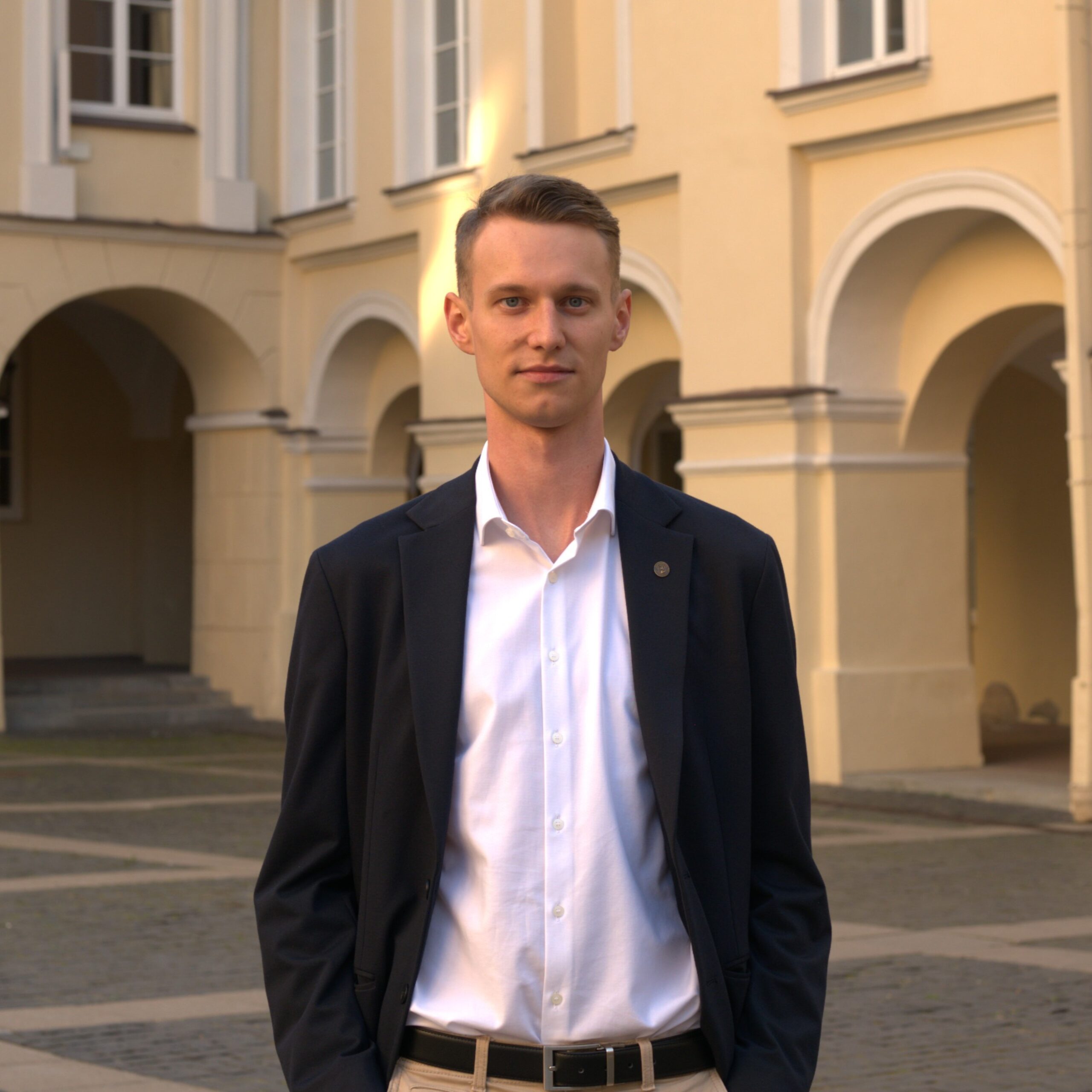
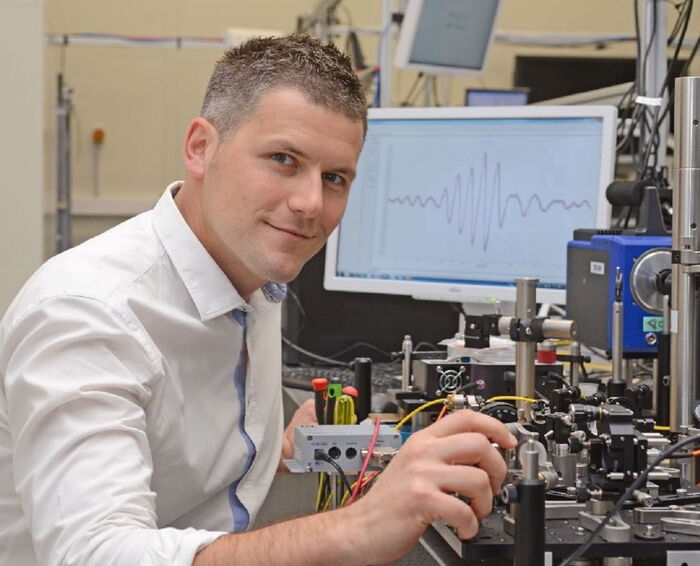
Prof. Dr Ioachim Pupeza
Chief Researcher, Department of Laser Technologies, RPTU Kaiserslautern-Landau
Why the standard tool has stalled
The standard tool for the job, Fourier-transform infrared (FTIR) spectroscopy, has been refined for decades. In Ioachim’s view, it has now stalled, held back by the light sources and detectors it depends on, and few people outside the field realize how much more newer approaches can offer. Several of the applications he presented at Lake Como are simply out of reach for traditional FTIR instruments, which cannot match the speed, sensitivity, and overall performance of field-resolved methods.
Fourier-transform infrared spectroscopy employing thermal radiation sources has reached a technological plateau imposed by limitations in its sources and detectors. I do not think there is broad awareness of the potential offered by newer infrared spectroscopy technologies. Many of the applications I showed in my talk are simply impossible with existing FTIR technology. It cannot provide the same speed, sensitivity, and overall performance. Development in all these areas is only now beginning.
What it takes to reach the clinic
Getting there takes two things. The first is proof of principle, plus enough visibility for decision-makers to judge its potential. Ioachim is candid that, for now, the conviction that the method can help patients is a strong intuition, and the proof still must be delivered. The second is technology. Because the remaining limits are technical rather than fundamental, every link in the chain must be rebuilt: the light source, sample handling, detection, data handling, and interpretation. This needs funding for technology development and technology dissemination platforms. That work, he notes, is only now beginning.
The vision that motivates me is to reach a stage where subsystems combine very broad bandwidth in both light sources and detection with very high sensitivity and precise calibration of frequencies, delays, and related parameters, and are compact and robust enough to be used in clinics or at the point of care.
The physics of field-resolved detection has already been demonstrated, for sources and detectors separately. What remains is integration: combining broad bandwidth, high sensitivity, and precise calibration into one compact, robust system that can leave the lab. That is an engineering problem rather than a physics one, and Ioachim expects the research and optics community to solve it together, not through a single breakthrough.
2. Why the Shape of a Single Photon Matters
Many visions of quantum computing, sensing, and communication involve transferring quantum information between light and matter, for example by storing a photon in an atomic memory. That hand-off only works well if the photon arrives in the right form. Nicolas works on exactly this: tailoring the spatial and temporal shape of single photons so they couple efficiently into systems such as atomic memories.
It is important to tailor the shape of a state so that we can create arbitrary states of light, both spatially and temporally. This can help us couple light more efficiently into systems such as atomic memories.
Designing photons, not just detecting them
Being able to create arbitrary shapes turns a single photon from something you simply detect into something you design. Shape is also a resource in its own right: photons encoded in different spectral and temporal modes can travel in parallel along the same optical fiber, much as wavelength multiplexing transformed classical telecommunications, and using these extra degrees of freedom could make quantum networks both higher in capacity and more robust. Nicolas’ toolkit is ultrafast nonlinear optics. Pulses from mode-locked Ti:Sapphire lasers drive parametric down-conversion, which produces heralded single photons. A spatial light modulator in a 4f pulse shaper sculpts the spectral phase and amplitude of the femtosecond pump pulses, and with them the joint spectral amplitude of the photon pairs they generate. Nicolas came to quantum optics from classical ultrafast optics, and quantum state engineering demands that same precise control of nonlinear interactions. His poster on this work earned him an OPTOMAN Student Grant at Lake Como (figure 2).
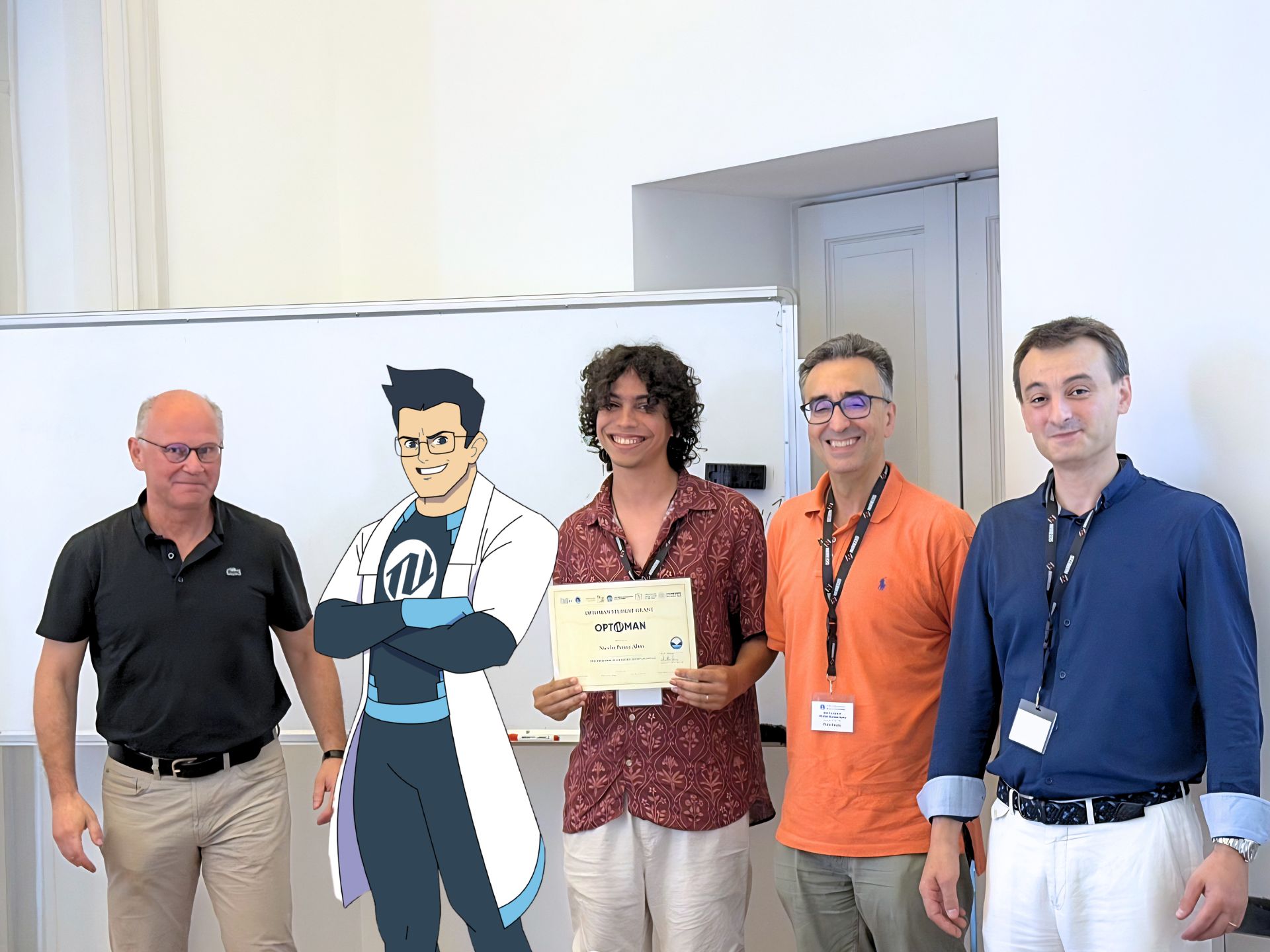
Nicolas Pessoa Alvez
Receiving his OPTOMAN Student Grant certificate, pictured with the organizers of the Lake Como summer school.
3. 19.2 Attoseconds: What It Takes to Make the Shortest Flash
An attosecond is a billionth of a billionth of a second, the timescale on which electrons move inside atoms and molecules. Attosecond pulses act as a shutter fast enough to follow that motion. Jens’s group at ICFO (figure 3) recently revisited an earlier measurement with updated retrieval algorithms and confirmed a 19.2-attosecond pulse: one of the shortest and brightest soft X-ray pulses produced to date. It is also the first pulse shorter than the atomic unit of time, roughly 24.2 attoseconds, the natural timescale of electron motion in atoms. This enabled it to capture how matter behaves and interacts at atomic and subatomic scales with unprecedented temporal resolution.
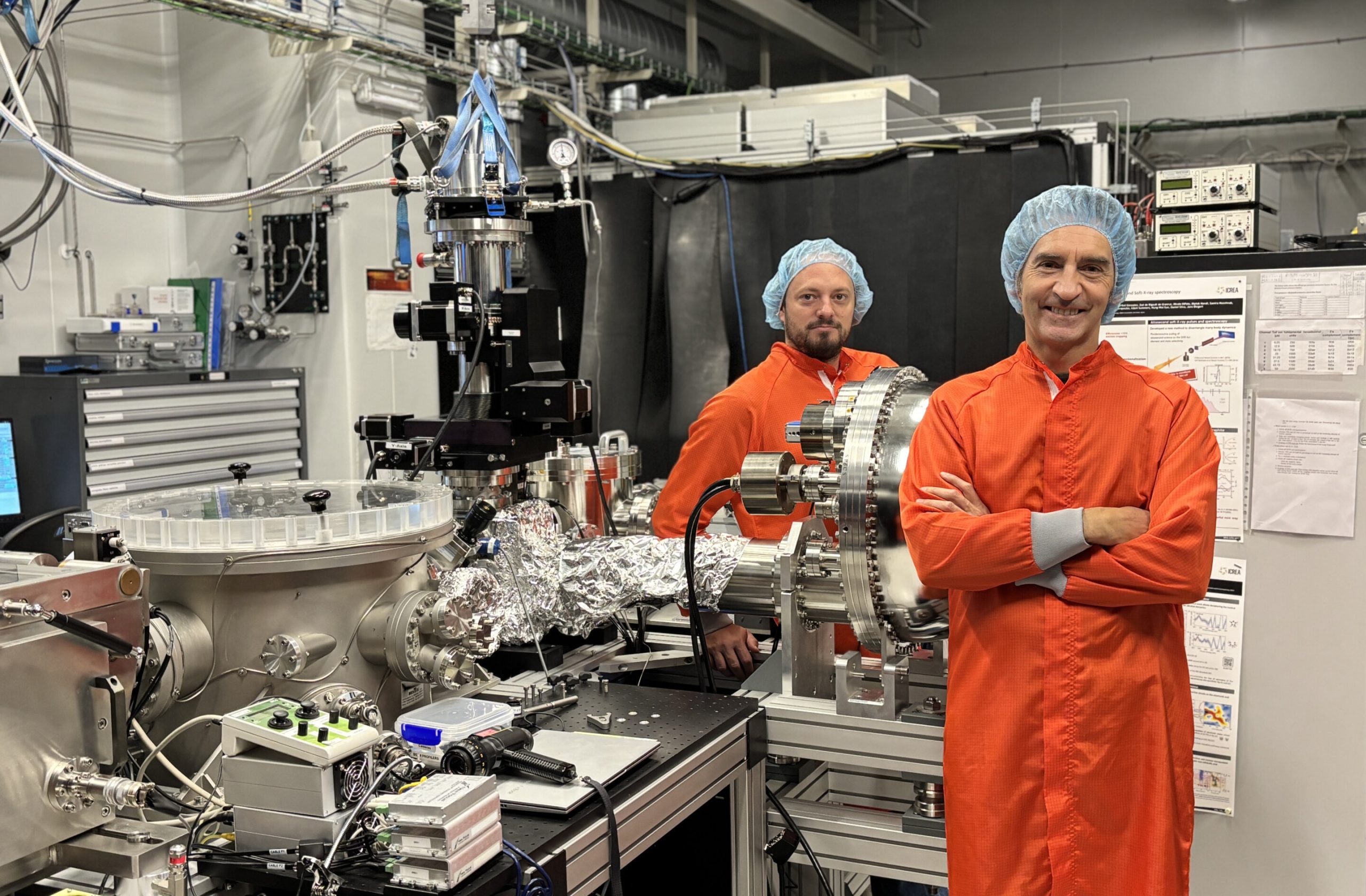
Prof. Dr Jens Biegert (right) and Dr Fernando Ardana-Lamas (left)
Attoscience laboratory at ICFO.
Why optics matter as much as lasers
Optics are absolutely essential. Advances do not come only from lasers. You can only have those lasers if you also have the optics. Optics are sometimes underestimated, but they are extremely important.
His point is easy to overlook. A record pulse isn’t just a laser achievement, because every mirror and coating in the beam path shapes it. Jens named what the field now needs: mid-IR coatings that hold up in manufacturing, mirrors that keep their dispersion under sustained average power, and measured phase response rather than assumed. For the hardware detail, from driving lasers to mirror dispersion, see our article “Attosecond Pulse Generation.”
The Common Thread
Different as they are, the three frontiers share a pattern: progress is increasingly limited by engineering, not physics. In each case, when the optics behave predictably, researchers can focus on the physics instead of fighting the hardware. That is where OPTOMAN works: manufacturing IBS coatings for the mid-IR, ultrafast, and quantum optics ranges these researchers depend on, and supporting people early, through initiatives like the OPTOMAN Student Grant, before their names are attached to a record-setting result.
References
[1] Pupeza, I., Huber, M., Trubetskov, M. et al. Field-resolved infrared spectroscopy of biological systems. Nature 577, 52–59 (2020). https://doi.org/10.1038/s41586-019-1850-7